Timetable Font: Elevating Campaign Visuals
The clock was ticking on a product launch for a boutique skincare line, and the usual go-to sans serifs felt too cold. The brand needed warmth, intimacy, and a touch of luxury without losing modern clarity. That is when I pulled Timetable from the Script Amp library. As a marketing designer, I am always hunting for typefaces that do more than just display text; they need to carry the emotional weight of the campaign. Timetable, an elegant and fluid handwritten script font, immediately changed the tone of our visual strategy.
This review breaks down how this premium font performs in real-world digital campaigns, from Instagram carousels to YouTube thumbnails, and why it has become a staple in my design toolkit for brands aiming for sophistication.
Setting the Mood with Fluid Typography
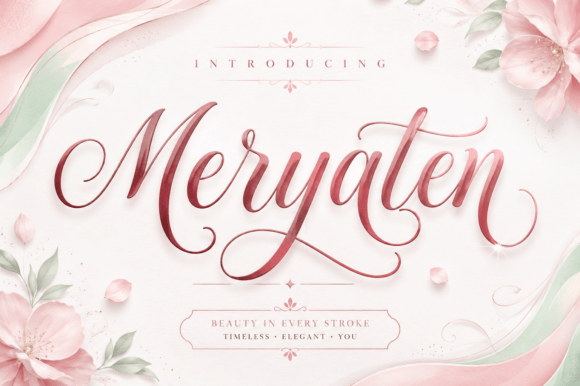
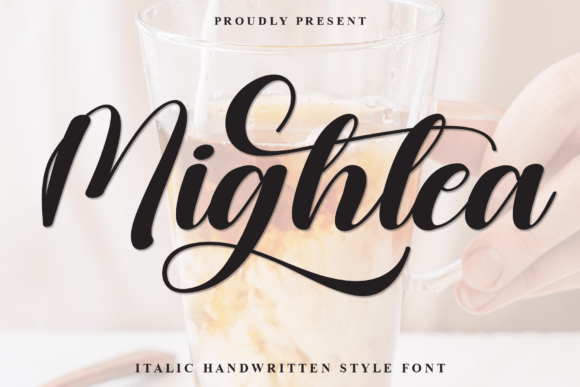
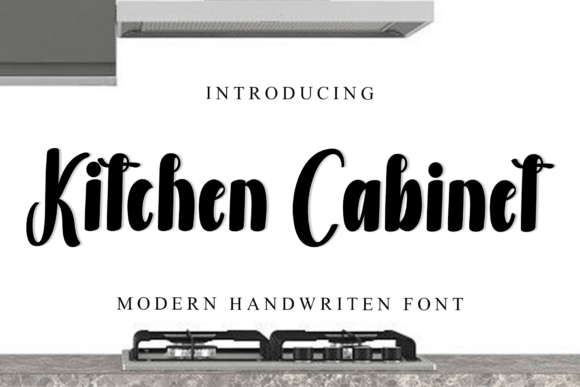
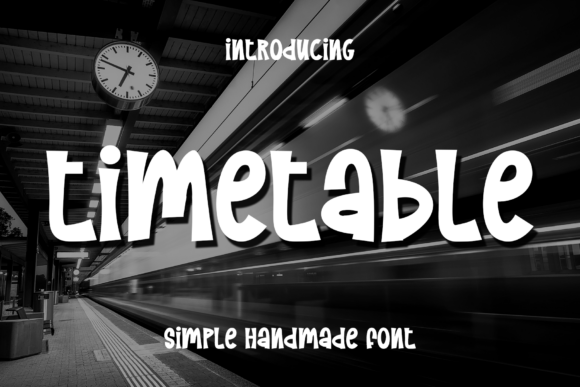
Timetable captures the essence of a modern, sophisticated typeface while retaining the organic feel of hand-lettering. In a crowded social media feed, stopping the scroll requires more than bright colors; it requires personality. When I used Timetable for the headline of our skincare launch teaser, the fluid strokes created an immediate sense of calm and exclusivity. It does not shout; it invites.
For luxury wedding stationery or intimate event branding, this font is a natural fit. However, its versatility extends further. In digital marketing, we often struggle to balance professionalism with approachability. Timetable bridges that gap. Its creative appeal lies in its ability to feel personal yet polished. When applied to a website banner or an email header, it signals to the audience that the brand cares about details. This subtle cue enhances brand identity and helps establish trust before the user even reads the body copy.
Performance in Social Media and Digital Ads
Testing Timetable across various platforms revealed its strengths and limitations. For Instagram posts and Pinterest pins, the font shines in short headlines and callouts. I used it for a "Summer Glow" series, pairing it with minimal photography. The result was visually striking because the font did not compete with the image; it complemented it. The ligatures and alternates included in the font file allowed me to customize specific words, making each graphic feel unique rather than templated.
However, readability is crucial in fast-scrolling feeds. On mobile screens, Timetable works best as a display font for titles or logo-style text. I avoided using it for body copy or dense information. Instead, I paired it with a clean sans serif font for the supporting text. This contrast created a clear visual hierarchy, ensuring the message remained clear even on small previews. For YouTube thumbnails, where space is limited and impact is everything, Timetable’s bold strokes stood out against busy backgrounds, provided I used high-contrast colors.
In digital ad layouts, such as Facebook or Instagram stories, the font helped maintain campaign consistency. By using Timetable for all primary headlines across a set of ads, we created a cohesive look that reinforced brand recognition. Audience engagement seemed to lift slightly on posts featuring this handwritten font, likely because it felt less corporate and more human. It is important to note that for formal corporate communication or technical products, this style might feel too casual. But for lifestyle, beauty, fashion, and creative industries, it is a powerful tool.
Strategic Pairing and Readability Advice
A common mistake in using script fonts is overcrowding the design. Timetable needs breathing room. When designing for web design or landing page headers, I ensured ample white space around the text. This allows the fluid lines to be appreciated without visual clutter. For dark backgrounds, I found that increasing the letter spacing slightly improved legibility, while on light backgrounds, the standard spacing worked perfectly.
Font pairing is where the magic happens. I experimented with several combinations:
- With a geometric sans serif: This created a modern, clean look ideal for tech-forward lifestyle brands.
- With a classic serif font: This combination leaned into the luxury angle, perfect for high-end product launches or editorial design pieces.
- With a minimalist handwritten font: Used sparingly for secondary accents, this added layers of texture without overwhelming the viewer.
For reels covers and TikTok graphics, keep the text short. Two to four words work best. If you need to convey more information, let Timetable handle the hook, and use a simple, readable font for the details. This approach ensures that the first impression is strong, and the message clarity is maintained for those who stop to read more.
Practical Considerations for Campaign Designers
Before integrating Timetable into your next campaign, check the included styles and file formats. Ensure you have the necessary commercial font licensing if you are using it for client work, merchandise, or digital products. Many designers overlook this step, but it is critical for professional integrity. The font supports multilingual characters, which is a bonus for global campaigns, but always test specific glyphs to ensure they render correctly in your design software.
Also, consider the context. While Timetable is excellent for sale announcements, product teasers, and quote graphics, it is not suitable for long-form content. Do not use it for paragraphs, legal disclaimers, or tiny footnotes. Its strength is in its decorative nature. Use it for titles, labels, and key messages that need to stand out. In packaging design, it can elevate a simple label into a premium experience, but ensure the print resolution is high enough to capture the fine details of the script.
Ultimately, Timetable is more than just a creative font; it is a strategic asset for building brand identity. Whether you are an entrepreneur launching an online shop, a social media manager crafting a content series, or a brand designer working on a webinar banner, this typeface offers the flexibility and elegance needed to make your visuals memorable. By understanding its limits and leveraging its strengths, you can create campaigns that not only look beautiful but also communicate effectively with your target audience.