Kitchen Cabinet Font: Elevating Web Design
I was staring at a hero section for a boutique holiday gift shop, and something felt off. The layout was clean, the images were crisp, but the headline lacked soul. It needed warmth. It needed personality. That is when I pulled Kitchen Cabinet into the design file. As a web designer, I am always cautious about using decorative typefaces on live sites. We worry about load times, readability on mobile, and whether a whimsical style will undermine brand trust. But sometimes, a project demands more than just a safe sans serif. It demands character.
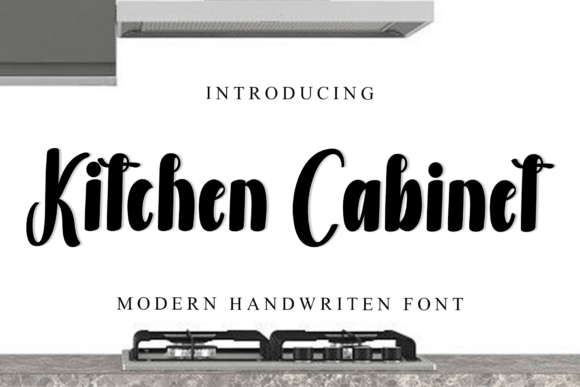
Kitchen Cabinet is a festive and merry typeface that captures the spirit of the holiday season. With its decorative elements and whimsical flair, it adds a touch of enchantment to your designs. In the context of digital product creation, this font from the Script Amp collection offers a unique opportunity to break away from sterile minimalism without sacrificing professionalism. Here is how I approached integrating this display font into a real-world web project, focusing on usability, hierarchy, and visual impact.
Setting the Tone in the Hero Section
The first rule of using a script or handwritten font on a website is restraint. I placed Kitchen Cabinet in the main H1 tag of the landing page. The goal was to evoke nostalgia and joy, aligning with the client’s seasonal campaign. Unlike standard system fonts, this typeface has distinct ligatures and swashes that catch the eye. However, decorative fonts can be tricky. If the letters are too intricate, users might struggle to parse the message quickly.
I tested the headline against a soft, muted background image. The contrast was key. On light backgrounds, the dark weight of the font stood out clearly. When I switched to a darker overlay, I had to adjust the color to a warm cream to maintain legibility. This is a common challenge with premium fonts; they often look best in specific contexts. For web design, ensuring that the font renders sharply across different devices is crucial. I checked the rendering on various screen sizes, noting that while the font shines in large headers, it loses its charm if scaled down too small.
Readability and Mobile Responsiveness
One of the biggest concerns for UI designers is how a creative font behaves on mobile screens. Users scan content rapidly on smartphones. If a headline takes too long to read, bounce rates increase. I found that Kitchen Cabinet works best for short phrases, titles, and call-to-action areas where the text is brief. Using it for long paragraphs or body copy would be a mistake. The intricate details that make it beautiful at 48 pixels become muddy at 16 pixels.
To solve this, I paired it with a clean, modern typography choice for the body text. A simple sans serif font provided the necessary balance. This combination created a clear visual hierarchy. The eye is drawn to the whimsical header, then flows naturally into the easy-to-read informational text. This strategy is essential for maintaining user engagement. It allows the brand identity to shine through the headline while ensuring the core message is accessible. For any online store or coaching website, this balance between flair and function is non-negotiable.
Strategic Placement in Digital Layouts
Beyond the hero section, I explored other areas where Kitchen Cabinet could add value. I used it for section headings on the course sales page, breaking up long scrolls of content with visually interesting markers. It also worked well in the footer for a personalized sign-off. However, I avoided using it for navigation menus or buttons. Buttons require instant recognition, and a complex script font can slow down cognitive processing. Instead, I kept button labels in a bold, straightforward typeface.
For digital ads and social media graphics linked from the site, the font was a standout performer. In these smaller, static formats, the decorative elements have more room to breathe. The font’s festive nature made it perfect for promotional banners and email headers. It helped create a consistent brand experience across platforms. Whether for a portfolio homepage or a blog redesign, using the same display font in key visual assets reinforces brand recall.
Font Pairing and Visual Harmony
Choosing the right partner for a script font is an art. I experimented with several options before settling on a neutral sans serif. The contrast between the organic, flowing lines of Kitchen Cabinet and the geometric stability of the sans serif created a sophisticated look. This pairing is effective for editorial design and packaging design aesthetics translated to the web. It feels curated and intentional.
If you are aiming for a more traditional or literary feel, a serif font could also work. However, for a modern digital brand kit, keeping the secondary font simple ensures that the primary font remains the star. Avoid pairing two decorative fonts, as this creates visual noise and confuses the user. The goal is to guide the eye, not distract it.
Technical Considerations for Web Implementation
Before launching any site with a custom typeface, technical checks are vital. I verified the webfont availability and file formats. Ensuring that the font loads quickly is part of good UX. Large font files can delay page rendering, so I optimized the assets. I also checked the commercial font licensing to ensure it covered web usage for the client’s online store. Never assume a desktop license covers web embedding.
I reviewed the included styles and alternates. Some script fonts come with multiple weights or stylistic sets that allow for customization. While Kitchen Cabinet is primarily a display font, checking for multilingual support is important if the target audience is global. For this project, the standard character set was sufficient, but for broader campaigns, this step is critical.
Integrating Kitchen Cabinet into this web project transformed the digital experience. It added warmth and personality that standard fonts could not achieve. By respecting its limitations and leveraging its strengths, I created a layout that was both engaging and usable. For web designers and digital creators, this font is a powerful tool in the arsenal, provided it is used with intention and care. It proves that even in the structured world of UI design, there is room for whimsy and enchantment.