Expressa: A Playful Script Font for Editorial Design
There is a specific moment in every redesign project when the layout feels technically correct but emotionally flat. The grids are aligned, the whitespace is generous, and the hierarchy is logical, yet the page lacks a heartbeat. I encountered this recently while restructuring a lifestyle blog that had grown stale. The content was vibrant—full of travel anecdotes and cozy home recipes—but the typography felt rigid and corporate. I needed a typeface that could bridge the gap between professional polish and human warmth. That is when I turned to Expressa, a modern script font from Script Amp that promised to inject energy without sacrificing clarity.
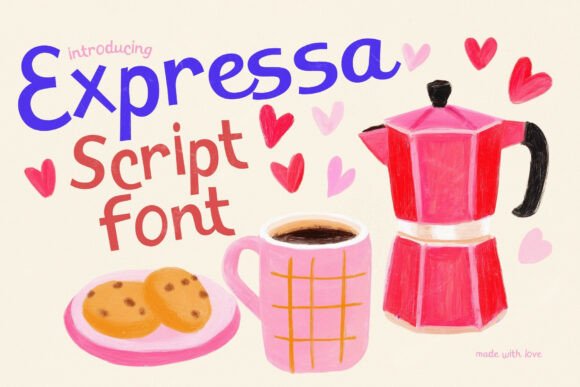
Choosing a display font for editorial work is always a balancing act. You want personality, but you cannot afford illegibility. Expressa struck me immediately as a thoughtful compromise. It is not just a decorative element; it is a structural tool that guides the reader’s eye with confidence. Its bold weight and smooth flowing strokes create a rhythm that feels both whimsical and assured, making it an excellent candidate for headers, pull quotes, and brand accents in digital and print publications.
Setting the Mood with Visual Rhythm
The first thing you notice about Expressa is its consistent baseline and generous x-height, which are rare traits in handwritten-style fonts. Many script typefaces suffer from erratic spacing or thin strokes that disappear on lower-resolution screens. Expressa, however, maintains a robust presence. In my test layouts, I used it for the main article titles of a weekend reading series. The font’s playful curves softened the starkness of the white background, inviting the reader in rather than demanding their attention.
This visual rhythm is crucial for maintaining audience engagement. When a reader lands on a page, the title sets the expectation. A stiff serif might suggest academic rigor, while a clean sans serif implies neutrality. Expressa suggests creativity, approachability, and joy. For creators building a brand identity around wellness, coaching, or creative hobbies, this mood alignment is invaluable. It tells the audience that the content within is curated with care and a sense of fun.
Practical Applications in Content Layouts
Beyond standard blog headers, Expressa proves versatile across various publishing formats. I tested it in a digital magazine layout focused on seasonal recipes. Here, the font served as a chapter opener, marking the transition from savory dishes to sweet desserts. The flowing strokes created a natural break in the content structure, allowing the reader to pause and reset before diving into the next section. This use of typography as a navigational aid is often overlooked but essential for long-form content.
- Newsletter Graphics: In email marketing, where space is limited and attention spans are short, Expressa works beautifully for subject line previews or header images. It stands out in crowded inboxes without appearing chaotic.
- Printable Planners and Worksheets: For digital product creators, the font adds a personal touch to coaching workbooks or daily planners. It makes the material feel less like a textbook and more like a guided journal.
- Pull Quotes: Extracting key insights from an article and styling them in Expressa creates visual interest. The bold weight ensures the quote remains readable even when scaled down slightly against a busy background image.
However, it is important to recognize where this font should not be used. Expressa is a display font, not a body copy typeface. Its expressive nature makes it unsuitable for dense paragraphs, legal disclaimers, or small captions. Using it for long-form reading would cause eye fatigue and reduce comprehension. Instead, it should be reserved for elements that need to capture attention quickly: titles, subtitles, logos, and decorative accents.
Pairing for Readability and Balance
A strong editorial design relies on contrast. Because Expressa is so distinctive, it pairs best with neutral, highly readable typefaces. In my recent project, I paired it with a clean sans serif font for navigation menus and body text. This combination allowed Expressa to shine as the hero element while ensuring the actual content remained easy to scan. Alternatively, pairing it with a classic serif font can create a sophisticated, magazine-like aesthetic, blending modern playfulness with traditional authority.
When considering font pairing, think about the hierarchy. Expressa should occupy the top tier of your visual hierarchy. Let it handle the heavy lifting of emotional connection, while your secondary fonts handle the informational load. This separation of duties ensures that your publication identity remains consistent and that the reader never struggles to decipher the message.
Technical Considerations for Modern Publishing
Before integrating any new typeface into your workflow, it is essential to review the technical specifications. Expressa comes with a range of practical features that support professional design needs. Check for included styles, alternates, and ligatures, which can help customize the look for specific branding requirements. Multilingual support is also critical if your audience spans different regions, ensuring that special characters render correctly.
File formats matter too. For web design and social media graphics, ensure you have the appropriate web fonts or SVGs to maintain crisp edges on high-density displays. For print materials like wedding guides or course PDFs, verify that the font license covers commercial use. If you are creating paid newsletters, templates, or digital downloads for clients, confirming the commercial font licensing terms is a necessary step to avoid legal issues later.
Readability on mobile devices is another key factor. While Expressa performs well in headers, always test your layouts on smaller screens. Ensure that the letter spacing does not become too tight, causing characters to merge. Adjusting the tracking slightly can often improve legibility without compromising the font’s inherent charm.
Finalizing Your Brand Identity
Incorporating Expressa into your design assets is more than just choosing a pretty font; it is a strategic decision about how you want your audience to feel. Whether you are designing a packaging label, a website header, or a creative font showcase, the goal is consistency. Use Expressa to anchor your brand identity, providing a recognizable visual signature that readers will associate with your unique voice.
For independent content brands and ebook creators, this level of typographic intentionality can set you apart in a saturated market. It signals that you care about the details, from the flow of your sentences to the curve of your letters. By balancing the playful energy of Expressa with structured, readable body copy, you create a publishing experience that is both engaging and respectful of the reader’s time.
Ultimately, Expressa is a tool for storytellers who understand that design is part of the narrative. It invites the reader in, sets a welcoming tone, and then steps aside to let the content speak. In a world of generic templates, adding a touch of whimsical professionalism through thoughtful typography can make all the difference in building a loyal, engaged audience.