Technology: A Designer’s Take on Modern Script Precision
When I first pulled Technology from the Script Amp library, I expected the usual digital aesthetic—cold, rigid, and overly geometric. What I found instead was a surprising warmth wrapped in structural precision. As designers, we are often tasked with bridging the gap between human connection and modern efficiency. This typeface manages to walk that tightrope with a confidence that is rare in the crowded market of premium font options. It does not scream for attention; rather, it invites scrutiny, revealing its character through careful observation of letterforms and spacing.
The Visual Personality and First Impressions
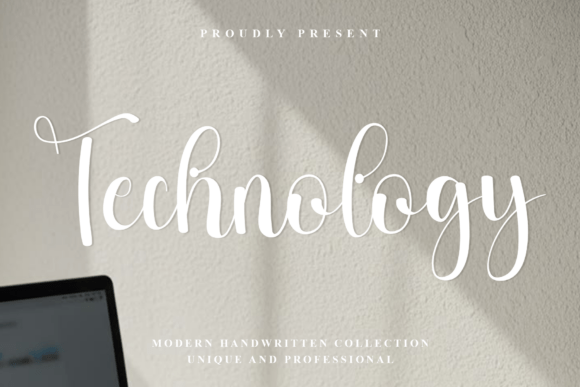
The immediate mood created by Technology is one of controlled elegance. It feels like a handshake that is firm yet welcoming. The strokes are clean, avoiding the excessive flourishes that often plague script font choices, yet it retains enough organic flow to feel handwritten. This balance is critical. In brand identity work, clients often fear that modern typography will feel sterile. Technology alleviates that fear by offering a creative font profile that feels engineered but not manufactured.
The letters have a distinct visual personality. They are upright, suggesting stability and trust, which is essential for audience recognition. When you look at the lowercase forms, there is a subtle rhythm that guides the eye smoothly across the line. This is not just about aesthetics; it is about function. In editorial design, this rhythm reduces cognitive load, allowing readers to absorb content without fighting against decorative distractions.
Real-World Application in Branding and Print
I tested Technology across several client projects to gauge its versatility. In logo design, it performed exceptionally well for tech startups and consultancy firms that wanted to appear approachable rather than intimidating. The font holds its weight in large headlines, making it ideal for posters and flyers where impact is necessary. However, its true strength lies in packaging design. On product labels, especially for premium goods like skincare or artisanal foods, the font adds a layer of sophistication without overshadowing the product itself.
For those working with physical crafts, such as Cricut projects or custom merchandise, the vector paths are clean and easy to manipulate. This makes it a reliable choice for printable design assets. Whether you are creating wedding invitations that need a modern twist or corporate brochures that require a touch of personality, Technology adapts. It does not force a specific style onto the project but enhances the existing narrative.
Digital Performance and Web Use
In the digital realm, readability is paramount. I integrated Technology into website headers and blog graphics to test its screen presence. Unlike many display fonts that pixelate or lose definition at smaller sizes, this typeface remains crisp. It works beautifully in web design contexts where the header needs to stand out against a minimal background. For social media graphics and digital ads, the font’s clear structure ensures that messages are read quickly as users scroll. It captures attention without causing visual fatigue.
Content creators and bloggers will appreciate how it pairs with body text. It serves as an excellent anchor for digital product covers, giving ebooks and online courses a professional, polished look. When used in Canva templates, it elevates the perceived value of the design, making simple layouts look intentional and high-end.
Strategic Placement and Readability Notes
While Technology is versatile, it requires strategic placement. It shines in short phrases, brand marks, and quotes. Using it for long paragraphs of body copy is not recommended, as its distinctive character is best appreciated in bursts. Think of it as a spice rather than the main ingredient. It works best as a display font that supports the hierarchy of information. In editorial design, use it for pull quotes or chapter headings to break up dense text and guide the reader’s journey.
Readability affects audience trust. If a font is hard to decipher, the brand appears careless. Technology maintains high legibility even when scaled down for business cards or small social icons. This consistency builds professionalism. When customers can easily read your message, they are more likely to engage. The font’s open counters and clear terminals contribute to this clarity, ensuring that the visual mood remains inviting rather than obstructive.
Practical Designer Notes for Implementation
Before committing Technology to a final client deliverable, I always run a series of practical tests. First, view the font in pure black and white. Color can mask poor spacing or weak forms, but monochrome reveals the truth. Check the small-size readability by printing a sample at 10 points. If the details blur, adjust the tracking slightly to open up the letters.
Try it on real mockups. A font looks different on a screen than it does on textured paper or a curved bottle label. Compare uppercase and lowercase usage. In Technology, the uppercase letters have a strong architectural presence, while the lowercase offers fluidity. Decide which serves your project better. Review the spacing carefully. Good kerning is invisible, but bad kerning is distracting. Ensure there is balanced white space between characters to maintain a premium feel.
Font Pairing Strategies
Pairing is where many designs fail. Technology is flexible but demands respect. It pairs surprisingly well with a clean sans serif font for a modern, minimalist look. The contrast between the structured sans and the flowing script creates dynamic tension. Alternatively, try it beside a traditional serif font to blend heritage with innovation. This combination works well for brands that want to highlight their history while embracing the future. Avoid pairing it with another handwritten font or a competing script font, as this creates visual noise and confuses the hierarchy. Let Technology be the voice of emphasis, supported by neutral, functional typefaces.
Always confirm commercial licensing before using any commercial font in client work. Script Amp provides clear guidelines, but it is your responsibility to ensure the license covers your specific use case, whether it is for web, print, or merchandise. Protecting your client and your business is part of professional practice.
Ultimately, Technology is a tool for designers who value both form and function. It is not just a collection of letters; it is a component of design assets that communicate quality. Whether you are a small business owner creating your first logo or a seasoned marketer refreshing a campaign, this font offers the reliability and style needed to make a lasting impression. It respects the viewer’s intelligence and the designer’s intent, making it a worthy addition to any serious typographic toolkit.