Standly: A Modern Script Font for Web Design
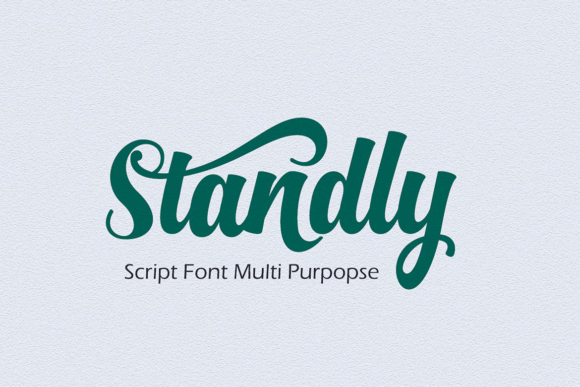
In the crowded landscape of digital interfaces, typography does more than just convey information; it sets the emotional tone before a user reads a single word. As web designers and UI creators, we constantly search for typefaces that balance aesthetic appeal with functional clarity. Standly emerges as a compelling solution in this space, offering a stylish script font that exudes elegance and contemporary charm. Unlike traditional calligraphy that can feel stiff or overly formal, Standly features graceful strokes and fluid curves that capture the authentic beauty of hand-drawn lettering while maintaining the precision required for modern web design.
Visual Personality and Digital Appeal
When evaluating a new typeface for a project, the first question is always about personality. Standly belongs to the Script Amp category, but it avoids the common pitfalls of illegibility that plague many decorative fonts. Its carefully crafted letterforms provide a sense of movement and rhythm, making it ideal for brands that want to appear approachable yet sophisticated. The font’s structure suggests a human touch, which is increasingly valuable in an era of automated, template-driven websites.
For digital product creators, this means Standly can serve as a powerful tool for establishing brand trust. Whether you are designing a landing page for a coaching service or a hero section for a boutique online store, the font’s natural flow helps break down the barrier between the brand and the visitor. It feels personal, curated, and intentional. This visual warmth is essential for industries like wellness, creative portfolios, luxury goods, and artisanal products, where the story behind the product is as important as the product itself.
Strategic Placement in Web Layouts
Understanding where to place a script font is critical for maintaining visual hierarchy. Standly is not designed for body copy or long-form text. Instead, it shines as a display font for high-impact areas. Here is how you can effectively integrate it into your web designs:
- Hero Sections: Use Standly for large, attention-grabbing headlines on landing pages. Its fluid curves draw the eye immediately, creating a focal point that anchors the rest of the layout.
- Call-to-Action Areas: Short, punchy phrases in buttons or banners benefit from the font’s elegance. However, ensure the text remains short to preserve readability on smaller screens.
- Section Headings: Break up long scrolling pages with Standly used for subheadings. This adds variety to the typography and keeps the user engaged as they scan the content.
- Logo and Branding: For startups and small businesses, Standly can form the basis of a logo design or be used in digital brand kits to ensure consistency across social media graphics and website headers.
By restricting Standly to these specific roles, you maintain a clear hierarchy. Users intuitively understand that the script font signifies importance or emotion, while simpler fonts handle the informational heavy lifting.
Readability and Responsive Considerations
One of the biggest challenges with script fonts is ensuring they remain legible across devices. Standly is designed with careful attention to spacing and stroke weight, which helps mitigate some of these issues. However, as a designer, you must still apply best practices for mobile responsiveness. On smaller screens, avoid using Standly at very small sizes. What looks elegant on a desktop monitor may become a blur on a smartphone.
When using Standly over image overlays, ensure there is sufficient contrast. Light backgrounds with dark text or dark backgrounds with light text work best. Avoid placing it over busy, high-contrast images unless you use a solid overlay or shadow to separate the text from the background. For buttons and interactive elements, keep the label short. A simple "Join Us" or "Shop Now" works better than a lengthy sentence, preserving the font’s integrity and ensuring quick scanning behavior.
Effective Font Pairing Strategies
A script font rarely stands alone in a comprehensive web design system. To create a balanced and professional look, you need to pair Standly with complementary typefaces. The goal is to create contrast without conflict. Here are two effective pairing strategies:
- Pairing with Sans Serif Fonts: This is the most common and versatile approach. A clean, geometric sans serif font provides a neutral foundation that allows Standly to shine. The simplicity of the sans serif body copy ensures readability, while Standly adds flair to headings. This combination works well for SaaS founders, tech startups, and modern e-commerce sites that want a touch of humanity without sacrificing clarity.
- Pairing with Serif Fonts: For a more editorial or luxurious feel, pair Standly with a classic serif font. This combination evokes tradition, authority, and high-end quality. It is particularly effective for fashion brands, wedding planners, and premium content platforms. The serif font adds weight and structure, balancing the lightness of the script.
Remember that the key to successful font pairing is limiting your palette. Using Standly alongside one strong supporting font creates a cohesive identity. Adding too many typefaces can dilute the brand message and confuse the user.
Licensing and Technical Implementation
Before integrating Standly into any client project or digital product, it is essential to review the licensing terms. As a commercial font, it requires proper licensing for web use, especially if you are embedding it via webfont files for live websites. Check the included file formats to ensure compatibility with your development stack. Most modern web projects require WOFF or WOFF2 formats for optimal loading speeds and browser support.
Additionally, verify if the font package includes alternates or multiple weights. Some script fonts offer swashes or contextual alternates that can add unique character to specific letters, allowing for greater customization in logo design or featured graphics. Multilingual support is another critical factor if you are designing for a global audience. Ensuring that Standly supports the necessary character sets will prevent layout breaks and maintain professionalism across different languages.
In conclusion, Standly is more than just a decorative element; it is a strategic design asset. When used thoughtfully, it enhances visual hierarchy, strengthens brand identity, and improves user engagement. By respecting its limitations regarding readability and pairing it with robust supporting typefaces, web designers can create digital experiences that are both beautiful and functional. Whether you are building a portfolio site, an online store, or a course sales page, Standly offers the elegance and contemporary charm needed to make a lasting impression in the digital world.