Peoneez: A Handwritten Font for Editorial Design
In the crowded landscape of digital publishing, capturing a reader’s attention within the first few seconds is paramount. As content creators, bloggers, and editorial designers, we constantly seek tools that do more than just display text; we need typefaces that convey mood, establish hierarchy, and invite engagement. Peoneez emerges as a refined solution in this space, offering a handwritten script aesthetic that balances energetic flow with sophisticated elegance. For those managing lifestyle blogs, crafting premium ebooks, or designing newsletters that demand a personal touch, this font provides a distinct visual voice that resonates with modern audiences.
The Visual Personality of Peoneez
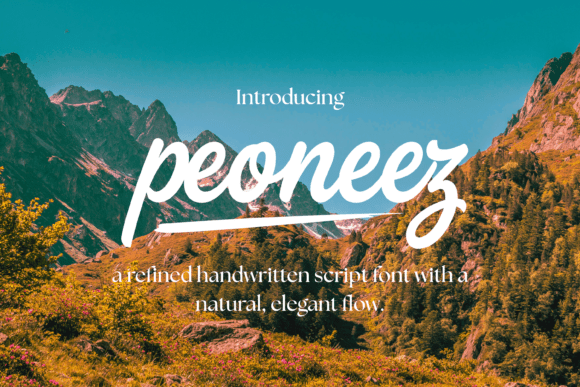
Peoneez is not merely a collection of letters; it is a study in natural movement. Defined by its completely organic flow, this script font mimics the rhythm of genuine handwriting while maintaining the structural integrity required for professional design. Unlike rigid mechanical typefaces, Peoneez introduces subtle variations in stroke weight and curvature, creating a sense of warmth and authenticity. This characteristic makes it an exceptional choice for editorial design where the goal is to humanize the brand and connect emotionally with the reader.
The font strikes a magnificent balance between energy and refinement. It avoids the chaotic illegibility that plagues many casual handwritten fonts, ensuring that headlines remain clear and impactful. Whether used for a magazine cover or a blog header, Peoneez commands attention without overwhelming the layout. Its elegant curves suggest luxury and care, making it ideal for niches such as wedding guides, high-end lifestyle publications, and boutique coaching materials.
Strategic Applications in Publishing
Understanding where to place a display font like Peoneez is crucial for effective visual hierarchy. Because of its decorative nature, it is best reserved for short-form text elements rather than long body copy. Here are several practical ways to integrate this premium font into your content strategy:
- Blog Headers and Titles: Use Peoneez for H1 and H2 tags to break up text-heavy articles. The contrast between the fluid script and standard body text creates immediate visual interest.
- Ebook Covers and Chapter Openers: For digital products like recipe ebooks or travel guides, Peoneez adds a polished, professional finish to cover designs. It also works beautifully for chapter title pages, setting the tone for the section ahead.
- Pull Quotes and Graphics: Highlight key insights in newsletters or magazines using Peoneez for pull quotes. When paired with a clean background or subtle graphic element, these quotes become shareable assets for social media.
- Printable Guides and Worksheets: Creators selling lead magnets, planners, or worksheets can use Peoneez for section headers to make the materials feel personalized and inviting.
- Brand Identity Elements: Incorporate the font into logo design or watermarks for digital downloads to maintain consistent brand identity across all touchpoints.
Readability and Technical Considerations
While aesthetics are vital, functionality cannot be compromised. When using a handwritten font like Peoneez, readability must be carefully managed, especially across different devices. On mobile layouts, ensure that the font size is large enough for the intricate details of the script to remain legible. For PDF exports and print materials, verify that the resolution is high enough to prevent the thinner strokes from disappearing or appearing jagged.
Screen reading experiences vary, so testing Peoneez against various background colors is essential. High contrast combinations, such as dark charcoal text on a cream background, often enhance the elegance of script fonts while maintaining accessibility. Avoid placing Peoneez over busy images or complex patterns, as this can reduce clarity and frustrate readers. Instead, use ample white space around the typography to let the letters breathe and stand out.
Effective Font Pairing Strategies
The true power of Peoneez is unlocked through strategic font pairing. A script font should never stand alone in a full publication; it needs a supportive counterpart to handle the bulk of the information. For editorial projects, consider pairing Peoneez with a highly readable serif font for body copy. Serifs provide a traditional, trustworthy feel that grounds the whimsical nature of the script, creating a balanced and sophisticated look suitable for magazines and literary journals.
Alternatively, for a more modern and minimalist aesthetic, pair Peoneez with a clean sans serif font. This combination works exceptionally well for digital newsletters, tech-focused blogs, or contemporary lifestyle brands. The sans serif offers neutrality and clarity, allowing Peoneez to serve as the emotional accent. When selecting a partner font, ensure that the x-height and weight complement rather than compete with the script. The goal is harmony, where each typeface plays a distinct role in guiding the reader’s eye through the content.
Enhancing Brand Consistency
Consistency is the cornerstone of strong brand identity. By adopting Peoneez as a primary display font, you create a recognizable visual signature across all your platforms. Whether a reader encounters your content on Instagram, in a paid newsletter, or on your website, the consistent use of this specific script reinforces brand recall. It signals a level of curation and attention to detail that audiences appreciate.
For content creators producing diverse materials—from web design elements to packaging design for physical products—having a versatile script font simplifies the design process. Peoneez can adapt to various contexts, maintaining its core personality while fitting into different layout constraints. This versatility reduces the need for multiple disparate fonts, streamlining your design assets and ensuring a cohesive look.
Licensing and Commercial Use
Before integrating Peoneez into client projects or commercial products, it is essential to review the licensing terms. Most premium fonts from categories like Script Amp offer specific licenses for commercial use, which may cover ebooks, templates, printables, and paid newsletters. If you are designing for clients or creating digital downloads for sale, ensure you have the appropriate commercial font license. This protects both your work and the intellectual property of the type designer.
Additionally, check for included features such as alternates, ligatures, and multilingual support. These technical details can significantly enhance the flexibility of the font, allowing for more customized and inclusive designs. By understanding the full scope of what Peoneez offers, you can maximize its potential in your creative workflow.
In conclusion, Peoneez represents a thoughtful addition to any designer’s toolkit. It bridges the gap between artistic expression and functional communication, offering a way to infuse personality into structured content. For publishers and creators aiming to elevate their visual storytelling, this font provides the elegance and energy needed to engage readers in a meaningful way.