Cutecat Font: A Crisp Handwritten Typeface for Editorial Design
The cursor blinked on the blank canvas of my latest lifestyle blog redesign, waiting for a decision that would define the entire visual tone. I had spent weeks refining the color palette and selecting photography that felt airy and authentic, but the typography remained stubbornly generic. I needed something that bridged the gap between professional polish and personal touch. That is when I stumbled upon Cutecat, a unique entry in the modern handwritten collection that promised clarity and crisp elegance. After testing it across several layout prototypes, I found it to be more than just a decorative element; it became the structural anchor for the publication’s identity.
Defining the Visual Character of Cutecat
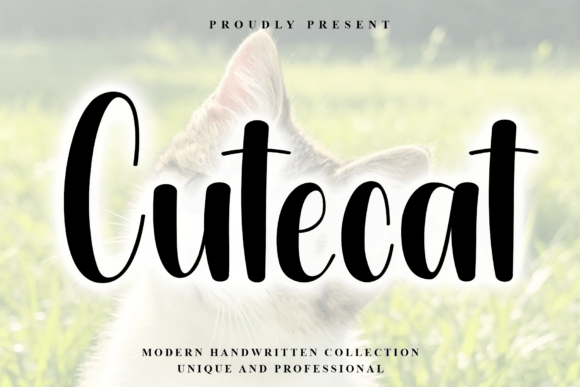
What immediately distinguishes Cutecat from the crowded market of script fonts is its restraint. Many handwritten typefaces lean heavily into whimsy or chaotic brush strokes, which can quickly become visually exhausting in a digital environment. Cutecat takes a different approach. It features tall, thin strokes with a subtle, airy slant that evokes a sense of calm sophistication. The letterforms are open and legible, avoiding the tight kerning issues that often plague display fonts when scaled down.
In terms of mood, this font feels like a well-organized desk in a sunlit room. It is refined yet approachable. For editorial designers, this balance is crucial. We are not just choosing letters; we are curating an experience. Cutecat supports readability by maintaining consistent stroke weights, which helps the eye travel smoothly across headlines without getting caught on erratic flourishes. It serves as a premium font option for creators who want their work to feel bespoke without sacrificing professional standards.
Strategic Applications in Content Layouts
During my review process, I tested Cutecat in various real-world publishing scenarios to understand its versatility. It shines brightest when used for titles, subtitles, and pull quotes. In a recent project for a digital magazine layout, I used Cutecat for the feature article headers. The tall x-height of the font allowed it to command attention without overpowering the accompanying imagery. It created a clear visual hierarchy, guiding the reader’s eye from the cover image directly to the story title.
However, its utility extends beyond simple headers. I found it particularly effective for chapter openers in ebook titles and coaching workbooks. The airy slant adds a human touch to otherwise rigid PDF structures, making the content feel more like a conversation than a lecture. For newsletter graphics, using Cutecat for the main subject line or section dividers can significantly boost audience engagement by breaking up dense text blocks with moments of visual breathing room.
It is important to note where this font should not be used. Due to its expressive nature and thin strokes, Cutecat is not suitable for body copy, small captions, or dense paragraphs. On mobile layouts, small handwritten text can lose definition, leading to poor readability. Instead, reserve it for decorative accents, logo design elements, and short-form text where impact is prioritized over volume. This disciplined approach ensures the font remains a special accent rather than a background noise.
Pairing for Cohesive Brand Identity
A strong brand identity relies on harmony between typefaces. When integrating Cutecat into a design system, pairing it with the right complementary fonts is essential. Because Cutecat is a modern typography piece with distinct personality, it pairs beautifully with clean, neutral sans serif fonts for body copy and navigation. This contrast allows the handwritten elements to stand out while ensuring the main content remains highly readable on screens and in print.
For a more traditional editorial feel, consider pairing it with a classic serif font. I experimented with this combination for a wedding guide template, where the elegance of the serif body text grounded the airy lightness of the Cutecat headers. This combination works well for creative font projects that require a touch of romance without veering into cliché. Whether you are designing social media graphics or packaging design mockups, keeping the secondary fonts simple ensures that Cutecat remains the focal point of your visual communication.
Technical Considerations for Digital and Print
Before committing to any commercial font for client publications or digital downloads, it is vital to check the technical specifications. Cutecat comes with specific styles and potential alternates that can enhance its flexibility. Look for ligatures that may smooth out common letter combinations, ensuring a seamless flow in longer titles. Additionally, verify the multilingual support if your audience spans different regions, as this affects the inclusivity of your design assets.
File formats also play a role in how the font performs across platforms. Ensure you have the correct web fonts for online use to maintain crisp edges on high-resolution displays, and OTF or TTF files for print materials like printable planners and worksheets. When exporting PDFs for course materials or ebooks, embed the font properly to prevent substitution issues that could alter the intended layout. Always review the commercial font licensing terms to ensure compliance for paid newsletters, templates, and client work.
Ultimately, Cutecat offers a refined solution for bloggers, publishers, and independent content brands seeking to elevate their visual presence. It is not just a font; it is a tool for creating clarity and connection. By understanding its strengths in display roles and respecting its limitations in body text, designers can leverage this typeface to build cohesive, engaging, and professionally polished publications. Whether you are revamping a lifestyle blog or crafting a detailed recipe ebook, Cutecat provides the crisp elegance needed to make your content stand out in a noisy digital landscape.