Letter of Berlin: A Handwritten Font for Authentic Brands
Last Tuesday, I sat at my kitchen table surrounded by stacks of kraft paper boxes and a roll of matte sticker labels. My client, a small-batch soap maker, was struggling with her brand identity. Her products smelled divine and the ingredients were top-tier, but her packaging felt cold. She had been using a standard, rigid sans serif font that looked like it belonged on a pharmaceutical bottle rather than a luxury skincare line. We needed warmth. We needed humanity. We needed something that felt touched by hand.
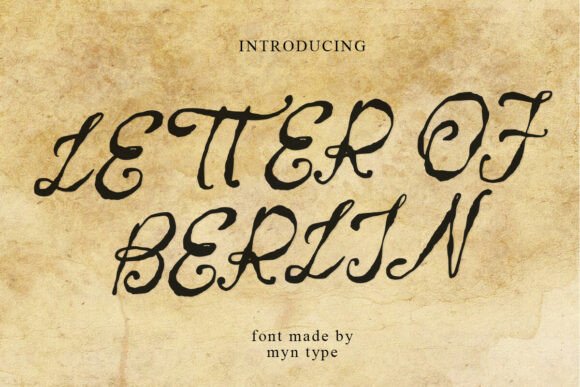
That is when we introduced Letter of Berlin into the design process. As a creative consultant, I have tested hundreds of typefaces from various foundries, but finding the right balance between legibility and artistic flair in the Script Amp category can be tricky. Many handwritten fonts are either too messy to read or too perfect to feel authentic. Letter of Berlin struck that rare chord of timeless vintage appeal with a natural, irregular stroke that immediately elevated the perceived value of the products.
The Personality of Handwritten Typography
When you look at Letter of Berlin, you do not just see letters; you see a mood. It is inspired by classic calligraphy lettering, yet it avoids the stiff formality often associated with traditional scripts. The font delivers a timeless vintage feel, but it is grounded in a modern sensibility that works well for contemporary businesses. The irregular strokes mimic the natural pressure changes of a real pen on paper, creating a rhythm that feels organic and relaxed.
For small business owners, this distinction matters. In a digital world saturated with polished, AI-generated perfection, customers are craving connection. A handwritten font like this signals that there is a person behind the brand. It suggests care, attention to detail, and craftsmanship. Whether you are running a boutique coffee shop, an online Etsy store, or a local bakery, using a typeface with character helps build trust. It tells your customer that your brand is approachable and friendly, not just a faceless corporation.
Practical Applications for Brand Identity
We decided to test Letter of Berlin across several key touchpoints in the soap maker’s brand identity. The results were immediate and impactful. Here is how this versatile premium font can transform various business materials:
- Product Labels and Packaging: This is where the font truly shines. We used it for the product names on the jar labels. Because the font has a distinct personality, it stands out against the clean, minimal background of the label. It turns a simple ingredient list into a piece of packaging design art.
- Thank-You Cards: Including a handwritten note in every shipment is a great way to boost customer loyalty. Using Letter of Berlin for the header of these cards maintains consistency. It feels personal, even if printed, because the creative font retains its human touch.
- Social Media Graphics: For Instagram stories and posts, readability is key. We used the font for short, punchy headlines like "New Arrival" or "Behind the Scenes." It grabs attention without overwhelming the image, making it perfect for social media graphics that need to stop the scroll.
- Website Banners: On the homepage, we paired the script with a clean body text. The contrast creates a professional hierarchy. The display font nature of Letter of Berlin makes it ideal for hero sections where you want to make a strong first impression.
Readability and Design Best Practices
While the aesthetic appeal of Letter of Berlin is undeniable, practical application requires some design wisdom. As a script font, it is best suited for headlines, logos, short phrases, and decorative accents. It is not designed for long paragraphs of body text. Trying to force a handwritten style into dense copy can strain the reader’s eyes, especially on mobile screens.
For optimal results, keep your usage concise. Use it for titles, quotes, or key selling points. When designing for small labels, such as those on candle jars or cosmetic tubes, ensure the font size is large enough to maintain clarity. The intricate details of the calligraphy can get lost if scaled down too far. Always test your designs on actual physical mockups before sending them to print. What looks crisp on a high-resolution monitor might blur slightly on textured paper.
Pairing Strategies for a Polished Look
A common mistake non-designers make is pairing two decorative fonts together. To let Letter of Berlin breathe, you need a supportive partner. The best approach is to pair it with a clean, neutral typeface. A modern sans serif font works beautifully here because it provides a stable foundation that allows the script to dance. Alternatively, a subtle serif font can add a layer of editorial sophistication, perfect for brands aiming for a high-end, magazine-style look.
Avoid pairing it with other handwritten fonts or overly complex scripts. This creates visual noise and confuses the viewer. The goal is visual consistency. By keeping the supporting typography simple, you ensure that the brand message remains clear and the design feels intentional rather than chaotic. This balance is crucial for maintaining a professional appearance across all design assets.
Licensing and Technical Considerations
Before integrating any new typeface into your commercial workflow, always review the licensing terms. Since Letter of Berlin is available through Script Amp, ensure you have the appropriate commercial font license for your specific use case. If you are printing physical products for sale, such as packaging or merchandise, you need a license that covers commercial distribution. Similarly, if you are embedding the font in a website or using it in digital ads, check for webfont permissions.
Also, take time to explore the included features. Many high-quality fonts come with alternates, ligatures, and multilingual support. These tools allow you to customize the look further, ensuring that your logo or headline looks unique. Checking file formats is also essential; ensure you have the right files for both print (often OTF or TTF) and web (WOFF) use. Proper preparation prevents technical headaches later and ensures your web design and print materials look consistent.
In the end, the switch to Letter of Berlin did more than just change the look of the soap labels. It shifted the entire perception of the brand. Customers began commenting on the "artisanal" feel of the packaging. The font became a silent ambassador for the quality of the product inside. For any small business owner looking to refine their image, investing in a thoughtful, high-quality typeface is one of the most cost-effective upgrades you can make. It is not just about choosing a font; it is about choosing the voice of your brand.