Catalog Typeface Review for Web Designers
I was deep into a landing page redesign for a boutique coaching client last Tuesday when I hit that familiar wall. The layout was clean, the whitespace was generous, but the hero section felt sterile. It lacked soul. I needed a typeface that could bridge the gap between professional authority and approachable warmth without sacrificing load times or readability. That is when I pulled Catalog into the project. As a modern handwritten typeface from the Script Amp collection, it promised to balance organic flow with refined structure, and I wanted to see if it could hold up in a live digital environment.
After testing Catalog across multiple breakpoints and pairing it with various body fonts, I have formed a clear picture of where this font shines in web design. It is not just a decorative asset; it is a strategic tool for establishing brand identity in digital spaces. If you are building online experiences that need to feel human rather than corporate, this font deserves a spot in your toolkit.
Visual Personality and Digital Presence
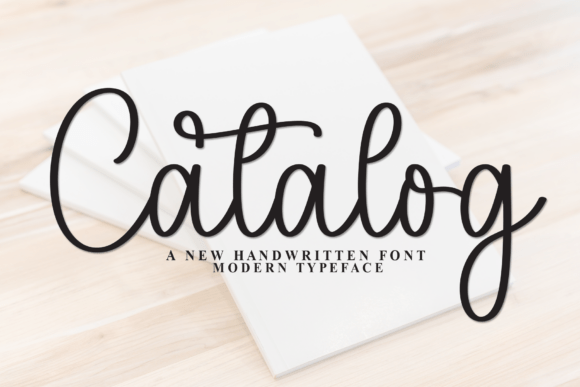
What strikes you first about Catalog is its rhythm. Many handwritten fonts feel erratic or messy when scaled up for a website header, but Catalog maintains a disciplined elegance. The tall, ascenders create a verticality that draws the eye upward, which is perfect for hero sections where you want to guide user attention toward a call-to-action. The strokes are consistent enough to remain legible on retina displays, yet they retain the subtle imperfections that signal authenticity.
In terms of mood, Catalog feels curated and editorial. It does not scream for attention like a bold slab serif might; instead, it invites the user in. This makes it an excellent choice for lifestyle brands, creative portfolios, and service-based businesses that rely on trust and personal connection. When I placed it over a muted photography background in a hero banner, the contrast was immediate. The font did not fight the image; it complemented it, adding a layer of sophistication that plain sans-serifs often miss.
Strategic Use in Layouts and Hierarchy
As a web designer, I am always cautious about using script or handwritten fonts for more than just accents. Catalog, however, has enough structural integrity to handle short headlines and subheadings effectively. I found it most successful when used for:
- Hero Headlines: Short, impactful phrases that define the brand promise.
- Section Dividers: Using Catalog for small transitional headers adds visual interest without breaking the reading flow.
- Testimonial Highlights: Pulling out key quotes in Catalog adds emotional weight to social proof sections.
- Digital Signatures: Perfect for "About Me" sections to personalize the creator’s voice.
It is crucial to note what Catalog is not suitable for. Do not use this font for body copy, navigation menus, or form labels. The decorative nature of the handwritten style reduces legibility at small sizes and in dense blocks of text. For those elements, stick to a clean sans serif or a highly readable serif font. Catalog is a display font, meant to be seen, not scanned. Treat it like jewelry in an outfit; it enhances the look but should not be worn everywhere.
Readability Across Devices and Backgrounds
Responsive design is non-negotiable, and handwritten fonts can be tricky on mobile devices. During my testing, I checked Catalog on various screen sizes, from large desktop monitors to compact smartphones. On larger screens, the intricate details of the ligatures and swashes were beautiful. On mobile, I had to be mindful of line height and letter spacing. If the text is too cramped, the organic connections between letters can become muddy.
To ensure clarity on smaller screens, I increased the line height slightly and avoided using all-caps, which tends to destroy the natural flow of handwritten typefaces. When placing Catalog over images, contrast is key. It performs beautifully on light backgrounds with dark text, but if you are overlaying it on busy photography, consider adding a subtle drop shadow or a semi-transparent overlay behind the text. This ensures the elegant ascenders do not get lost in the visual noise of the background image.
Font Pairing for Modern Web Aesthetics
A great font never stands alone; it interacts with its surroundings. Catalog pairs exceptionally well with neutral, geometric sans serif fonts. The contrast between the organic curves of Catalog and the rigid structure of a modern sans serif creates a balanced visual hierarchy. For example, pairing Catalog with a clean font like Inter or Montserrat for body copy allows the headline to shine while keeping the rest of the content easy to digest.
If you are aiming for a more editorial or luxury feel, try pairing Catalog with a high-contrast serif font. This combination works wonders for fashion blogs, artisanal e-commerce stores, or high-end portfolio sites. The serif adds tradition and gravity, while Catalog injects contemporary flair. Avoid pairing it with other script fonts, as this can create visual clutter and confuse the user’s eye. Keep the supporting typography simple to let Catalog’s personality take center stage.
Technical Considerations and Licensing
Before implementing Catalog in a client project or personal site, there are practical steps to take. First, check the file formats included in the download. For web use, you will want WOFF or WOFF2 files to ensure fast loading times and broad browser compatibility. Slow-loading fonts can hurt your SEO and user experience, so optimize your font stack carefully.
Also, review the commercial licensing terms. If you are building a site for a client who sells products or services, ensure your license covers commercial web use. Some font licenses require a separate purchase for domain usage. Additionally, explore any alternates or ligatures included in the font family. These features can add unique touches to logos or special headings, giving your design a custom feel without extra graphic design work.
Catalog is more than just a pretty typeface; it is a versatile design asset that brings warmth and professionalism to digital interfaces. By respecting its limitations and leveraging its strengths in hierarchy and pairing, you can create web experiences that feel both polished and deeply human. Whether you are designing a landing page for a new course or refreshing a small business website, Catalog offers the refined structure needed to elevate your brand’s online presence.