Freesia: A Handwritten Font for Digital Branding
In the crowded landscape of web design, where every pixel competes for attention, typography remains the most powerful tool for establishing tone. As digital product creators and UI designers, we often find ourselves balancing the need for strict usability with the desire for emotional connection. This is where Freesia enters the workflow. It is not just another decorative element; it is a lovely and timeless handwritten font that bridges the gap between professional clarity and human warmth. When integrated correctly into a digital ecosystem, Freesia transforms static layouts into engaging brand experiences.
Understanding the Visual Personality of Freesia
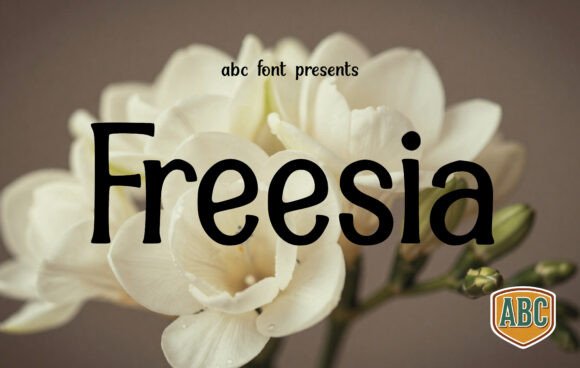
Freesia belongs to the Script Amp category, but it distinguishes itself through its refined structure. Unlike chaotic brush scripts that can struggle on screens, this typeface maintains a consistent rhythm. Every letter has a unique and beautiful touch, which will make your design stand out without sacrificing legibility. The strokes are fluid yet controlled, offering a sense of movement that guides the eye naturally across the screen.
For web designers, this consistency is crucial. A handwritten font that varies too wildly in weight or baseline can disrupt visual hierarchy. Freesia offers a balanced approach, making it an ideal choice for creating eye-catching logos, branding elements, and quotes that need to feel personal yet polished. Its aesthetic leans towards modern typography that feels organic, avoiding the sterile look of standard system fonts while remaining accessible to a broad audience.
Strategic Placement in Web Layouts
The effectiveness of a display font like Freesia depends heavily on where it is used. In web design, context dictates performance. Here is how you can leverage this typeface across different digital touchpoints:
- Hero Sections and Landing Pages: Use Freesia for main headlines to create an immediate emotional hook. Its handwritten nature adds a layer of authenticity that resonates with users looking for genuine connections, such as in coaching websites or boutique online stores.
- Call-to-Action Areas: While not suitable for small button text due to readability constraints, Freesia works beautifully for larger CTA headers or secondary action prompts that require a softer, more inviting tone.
- Blog Graphics and Social Media: For content marketing, overlaying Freesia on high-quality images creates shareable assets. It excels in short phrases and quotes, enhancing engagement on platforms where visual appeal drives clicks.
- Logo Design and Brand Identity: As a primary logotype, Freesia provides a distinctive mark that is easily recognizable. Its unique character touches ensure that your brand identity remains memorable in a sea of generic sans serif options.
Readability and Responsive Considerations
When deploying a script font in a responsive environment, technical precision is non-negotiable. On desktop views, Freesia shines in large sizes, allowing the intricate details of each glyph to be appreciated. However, as screen real estate shrinks for mobile devices, adjustments are necessary. Avoid using this font for body copy or dense paragraphs. Instead, reserve it for headings and short accents.
Contrast plays a significant role in digital readability. Freesia performs exceptionally well on light backgrounds, where its dark strokes remain crisp. When using it over image overlays, ensure there is sufficient contrast or apply a subtle backdrop blur to prevent the delicate strokes from getting lost in busy textures. For dark mode interfaces, test the weight carefully; sometimes, a slight increase in font size helps maintain clarity without compromising the elegant flow of the script.
Mastering Font Pairing for Digital Products
A standalone decorative font rarely carries a full website. The art of typography lies in pairing. Since Freesia is a expressive handwritten font, it demands a stable partner. The most effective strategy is to pair it with a clean, neutral sans serif font for body copy. This combination creates a clear visual hierarchy: Freesia draws attention and sets the mood, while the sans serif ensures that long-form content is easy to scan and read.
For a more editorial or luxury feel, consider pairing Freesia with a classic serif font. This approach works well for digital magazines, high-end portfolio sites, or course sales pages where authority and elegance are paramount. The contrast between the structured serifs and the fluid handwriting creates a sophisticated tension that elevates the overall design quality. Avoid pairing it with other script fonts, as this leads to visual clutter and reduces the impact of both typefaces.
Practical Applications for Specific Niches
Different industries benefit from the specific traits of Freesia. For a creative portfolio, it adds a personal signature feel to project titles. In the e-commerce sector, particularly for handmade goods or lifestyle products, it reinforces the artisanal quality of the brand. SaaS founders might use it sparingly in testimonial sections to add a human voice to customer reviews, breaking the monotony of corporate language.
When designing course pages or digital downloads, use Freesia for module headers or bonus content labels. This highlights value-added elements without overwhelming the user. The key is restraint; let the font breathe by providing ample white space around it. This enhances its premium feel and prevents the layout from appearing cramped.
Licensing and Technical Implementation
Before integrating Freesia into any client project or commercial product, verify the licensing terms. Ensure you have the appropriate commercial font license for web use, especially if the font will be embedded via @font-face or used in generated images for online ads. Check the included file formats to ensure compatibility with major browsers and design tools. Look for features such as multilingual support if your target audience is global, and explore any available alternates or ligatures that can add further customization to your logo design or header graphics.
By treating Freesia not just as a visual asset but as a functional component of your user interface, you enhance both the aesthetic appeal and the usability of your digital products. It is a versatile tool that, when used with intention, supports conversion-focused layouts and builds a consistent, trustworthy online identity.