Curly Blush Font: A Designer’s Guide to Playful Branding
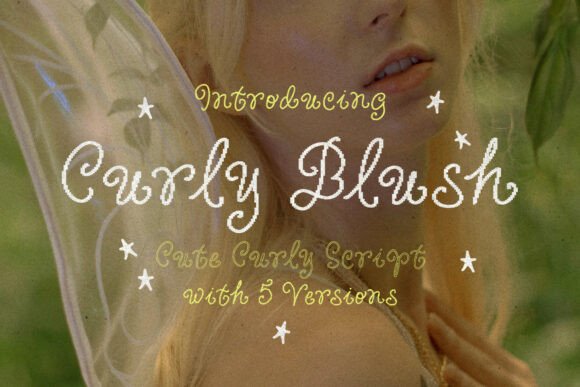
I opened my design software with a blank canvas and a specific challenge in mind. The client wanted a brand identity that felt approachable, handmade, and distinctly feminine without tipping into cliché territory. It was for a small boutique specializing in artisanal soaps and botanical skincare. As I scrolled through my library of Script Amp resources, looking for something that could carry the weight of a logo while maintaining a light touch, I landed on Curly Blush. This wasn’t just another digital typeface; it looked like it had been lifted straight from a dreamy scrapbook, complete with cute curly strokes and a soft handwritten feel.
Testing Curly Blush in a real-world scenario is different from just typing out the alphabet. You need to see how those playful, sweet letters interact with negative space and how they hold up when scaled down for a product label or blown up for a storefront sign. From the moment I typed out the first draft of the business name, the font exuded tiny magical vibes. It didn’t scream for attention; instead, it invited the viewer in with a sense of warmth and intimacy. For designers working in the realm of brand identity, finding a premium font that balances personality with professionalism is often the hardest part of the job. Curly Blush seemed to strike that delicate balance immediately.
Bringing Personality to Logo Design
The primary test for any display font is its viability as a logotype. In this project, the logo needed to work on everything from Instagram profile pictures to embossed packaging. I started by adjusting the tracking and kerning manually. One of the charming aspects of Curly Blush is its organic flow. The letters connect in a way that feels natural, not forced by rigid digital algorithms. When I placed it against a muted pastel background, the contrast was subtle yet effective. The handwritten font style gave the brand an immediate human element, suggesting that there were real hands behind the products.
However, using a script typeface for a logo requires caution. I made sure to check the legibility at smaller sizes. While Curly Blush is incredibly detailed, some of the finer curls might get lost if the logo is reduced too much for a favicon or a small social media avatar. My advice here is to create a simplified version of the logotype for tiny applications, perhaps using just the initials in a complementary sans serif font while keeping the full Curly Blush treatment for larger formats like headers and packaging.
Packaging and Print Applications
Once the logo direction was approved, I moved on to the packaging design. This is where the font truly shined. On a rectangular soap box, the swirling strokes of Curly Blush added a layer of texture that flat graphics couldn't achieve. It looked less like printed text and more like a personal note from the maker to the buyer. This emotional connection is crucial in packaging design for handmade goods. The font’s inherent sweetness aligned perfectly with the botanical ingredients listed on the back.
I also experimented with using the font for short-form text on hang tags and sticker labels. Because it is a script font with a strong personality, it shouldn't be used for long paragraphs of instructional text. Instead, I used it for highlights—words like "Handmade," "Organic," or "Limited Edition." This created a clear visual hierarchy. The eye is drawn to the emotional keywords written in Curly Blush, while the factual information remained in a clean, readable modern typography choice. This pairing strategy ensures that the design remains functional while still being aesthetically pleasing.
Digital Presence and Social Media
In today’s market, a brand lives online as much as it does on shelves. I integrated Curly Blush into the website’s hero section and several social media templates. On screen, the font retained its charm. The soft edges and varying stroke widths added depth to flat digital layouts. For social media graphics, I used the font for quote overlays and promotional announcements. It performed exceptionally well in square and vertical formats, where the verticality of the letters could breathe.
When designing for web, it is important to consider load times and rendering. Since Curly Blush is a specialized creative font, ensuring you have the correct file formats (such as WOFF or WOFF2) is essential for smooth display across different browsers. I also checked how it paired with the body copy font. A neutral serif font worked beautifully alongside it, providing a classic anchor to the whimsical headline. This combination elevated the overall editorial design feel of the website, making it look curated and thoughtful rather than templated.
Practical Tips for Designers
If you are considering adding Curly Blush to your toolkit, here are a few practical observations from my workflow. First, always check for alternates and ligatures. Many high-quality Fonts in the Script Amp category include these features to prevent repetitive patterns in longer words. Using alternates can make a word look more naturally handwritten and less like a computer-generated repetition.
Second, consider the context of your client. This typeface is ideal for businesses that want to convey warmth, creativity, and approachability. Think boutiques, cafes, creative studios, and lifestyle brands. It might not be the right fit for a corporate law firm or a tech startup aiming for a stark, minimalist aesthetic. Understanding the mood of the font is key to successful font pairing and application.
Finally, always review the licensing terms. Whether you are creating design assets for a local restaurant or a global e-commerce store, ensure your commercial font license covers all intended uses, including merchandise and digital ads. Curly Blush offers a versatile solution for designers who need a reliable, charming, and professional commercial font that stands out in a crowded market. By treating it with care and pairing it wisely, you can create brand materials that feel both personal and polished.