Barton Miles: A Handwritten Font for Editorial Soul
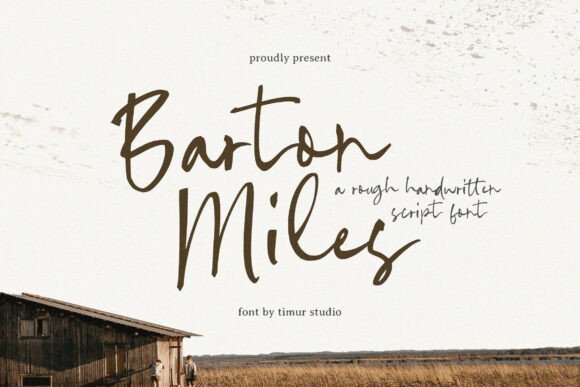
There is a specific moment in every editorial redesign when the structure feels complete, yet the soul is missing. The grid is aligned, the whitespace is breathing, and the body copy is legible, but the page lacks a heartbeat. I encountered this recently while restructuring a lifestyle blog that had grown too rigid. The content was warm and personal, but the typography felt cold and corporate. I needed a typeface that could bridge the gap between professional layout and human connection. That is when I turned to Barton Miles, a rough handwritten script font introduced by Timurtype Studio.
This is not just another decorative element; it is a tool for establishing mood. In the world of Script Amp and digital Fonts, finding a balance between raw energy and readability is difficult. Barton Miles manages to capture the unfiltered energy of natural pen strokes without sacrificing the clarity required for modern publishing. It feels less like a computer-generated asset and more like a note left on a kitchen counter—immediate, authentic, and inviting.
The Texture of Authenticity in Digital Layouts
When we talk about a premium font in the context of editorial design, we are often discussing precision. However, Barton Miles offers a different kind of value: imperfection. The rough edges and varied stroke weights mimic the natural pressure of a hand holding a pen. This texture is crucial for brands that want to appear approachable rather than authoritative.
In my testing, I used Barton Miles for the header of a coaching workbook. The goal was to make the reader feel guided, not lectured. A standard sans serif font would have felt too instructional, while a traditional serif font might have felt too academic. Barton Miles sat comfortably in the middle, offering a creative font solution that signaled warmth. The visual rhythm of the letters creates a sense of movement, drawing the eye across the page and encouraging the reader to engage with the content on a personal level.
For designers working in web design or creating social media graphics, this tactile quality stands out against the flat, clean aesthetics that dominate feeds. It acts as a visual pause, a moment of humanity in a stream of polished images. Whether used in logo design for a boutique brand or as a decorative accent in packaging design, the font carries an inherent narrative of craftsmanship.
Structuring Content with Visual Hierarchy
One of the most common mistakes in using handwritten font styles is overuse. Barton Miles is a display font at its core. It demands attention and should be treated as such. In my recent project involving a digital magazine layout, I reserved Barton Miles exclusively for cover titles and major section openers. This restraint allowed the font to maintain its impact without overwhelming the reader.
Readability is paramount, especially in long-form content. While Barton Miles is beautiful, it is not designed for body copy. Attempting to use it for dense paragraphs or small captions would strain the reader’s eyes and disrupt the flow of information. Instead, it shines in roles that require emotional resonance:
- Pull Quotes: Extracting a key sentence from an article and setting it in Barton Miles creates a focal point that breaks up text blocks.
- Chapter Openers: In ebooks or printable planners, using this modern typography for chapter titles sets the tone before the reader dives into the details.
- Newsletter Headers: For email marketing, a subject line or header in Barton Miles can increase open rates by feeling personal and curated rather than automated.
This strategic placement supports visual hierarchy. It tells the reader what is important and what is supplementary. By pairing Barton Miles with a clean, neutral typeface for the body text, you create a balanced composition where each element has a clear job. The contrast between the rough script and the structured body copy enhances the overall brand identity, making the publication feel both professional and personable.
Practical Pairings and Editorial Applications
The versatility of Barton Miles lies in its ability to complement various typographic partners. For a classic editorial look, pair it with a high-contrast serif font. This combination evokes the feel of traditional print magazines, blending heritage with contemporary flair. For a more modern, minimalist approach, combine it with a geometric sans serif font. This pairing works exceptionally well for tech-forward blogs, startup newsletters, or clean worksheet layouts where clarity is key.
I tested this pairing in a recipe ebook project. The instructions were set in a clean sans serif for maximum legibility on mobile devices, while the recipe titles and introductory notes used Barton Miles. The result was a layout that felt inviting and homemade, yet easy to follow in a busy kitchen. This is the power of thoughtful font pairing; it enhances the user experience without drawing attention to the design itself.
For those creating design assets such as printable planners or wedding guides, Barton Miles adds a layer of elegance that feels bespoke. It transforms a standard template into a personalized artifact. However, it is essential to consider the medium. On screen, ensure the font size is large enough to retain its character details. In print, the rough texture translates beautifully, adding depth to paper goods and invitations.
Licensing and Technical Considerations for Creators
Before integrating any commercial font into your workflow, it is vital to review the technical specifications and licensing terms. Barton Miles, like many high-quality typefaces from Timurtype Studio, comes with specific guidelines. Check if the license covers your intended use, whether it is for client publications, paid newsletters, or digital downloads. Understanding these boundaries protects both the designer and the creator.
Additionally, explore the included features. Does the font offer alternates or ligatures that can add variety to repeated words? Is there multilingual support if your audience is global? These details matter when building a cohesive typeface system. For ebook creators, ensure the file formats are compatible with your distribution platform. For web designers, check the loading performance and fallback options.
Ultimately, Barton Miles is more than a collection of glyphs; it is a voice. It speaks to readers who value authenticity and connection. By using it thoughtfully—in headers, quotes, and accents—you infuse your content with a human touch that resonates long after the page is closed. It is a reminder that in a digital world, the hand of the creator still matters.